Deadly Dozen Race Calendar 2026
The full Deadly Dozen race calendar: 11 upcoming races across 4 countries, with every date and venue. The next is Deadly Dozen Stoke-on-Trent 2026 on 18 October 2026.
What is Deadly Dozen?
The Deadly Dozen is a hybrid fitness race held on an athletics track, combining 12 x 400m runs (called Journeys) with 12 functional exercise stations (called Labours), completed in sequence with no rest between them. That is roughly 4.8km of running plus 12 stations, and everything is trainable with just a kettlebell, dumbbell and weight plate.
You can enter Solo, Pairs (partner waits while you work) or Relay as a team of four. Weight standards differ by gender. Scaling is built in: if you cannot complete a Labour to standard after warnings, the rep or distance is adjusted and your result is marked "(s)" for scaled rather than a DNF, so you always get a finish time.
Typical Deadly Dozen finish times
| Division | Typical range |
|---|---|
| Competitive field | 75 - 95 mintrained athletes racing for a time |
| Elite | under 75 min |
| First-timer | 90 - 120 minno time limit; scaling allowed |
Upcoming Deadly Dozen races
October 2026



November 2026
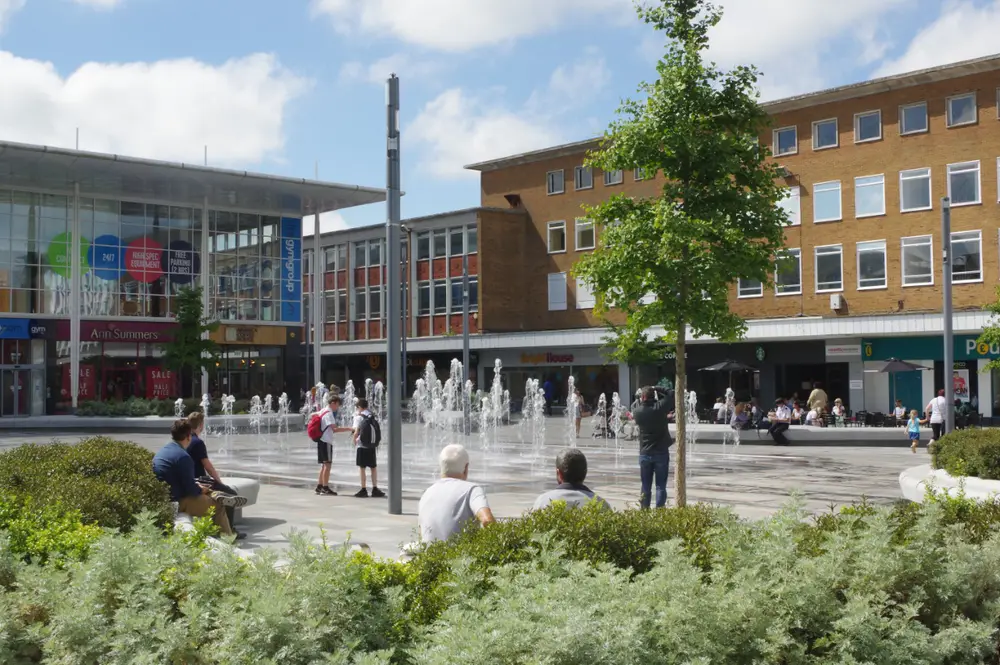
Deadly Dozen Crawley 2026
Crawley, United Kingdom
1 November 2026

Deadly Dozen Kevelaer 2026
Kevelaer, Germany
8 November 2026
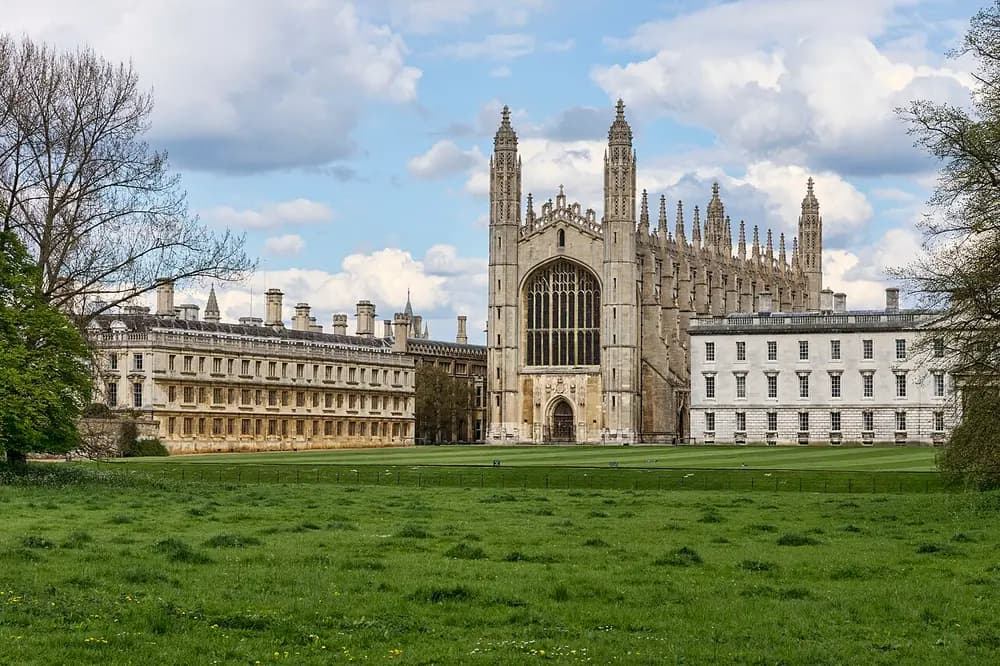
Deadly Dozen Cambridge 2026
Cambridge, United Kingdom
15 November 2026

Deadly Dozen Karlsruhe 2026
Karlsruhe, Germany
22 November 2026

Deadly Dozen Monza 2026
Monza, Italy
22 November 2026


Training for Deadly Dozen?
Deadly Dozen is won on run-to-Labour transitions and grip endurance, not max strength. Training that rehearses moving straight from a 400m effort into a functional station, and builds grip for the back half, is what separates a smooth finish from grinding to a halt at Labour 8.
Get your coach →Frequently asked questions
There are 11 upcoming Deadly Dozen races listed for the 2026 season, across 4 countries.
The next Deadly Dozen race is Deadly Dozen Stoke-on-Trent 2026 in Stoke-on-Trent on 18 October 2026.
Deadly Dozen races take place across 4 countries, including United Kingdom, Malta, Germany, Italy.
It is a track-based hybrid fitness race of 12 x 400m runs paired with 12 functional stations, done back to back with no rest. It stands out from most hybrid events by using only a kettlebell, dumbbell and plate, with no sleds, ski ergs or rowers.
Trained competitive athletes typically finish in under 90 minutes, with the broad field around 75-95 minutes. There is no time limit, so first-timers should plan for roughly 90-120 minutes depending on pace and scaling.
No. Every Labour is built around a kettlebell, dumbbell, weight plate or bodyweight, so you can prepare with basic gym kit or even a decent home setup.
Yes. Scaling is part of the format: if you cannot complete a movement to standard, it is adjusted and your result is marked scaled rather than disqualified, so you still finish and get a time.